GAMES & PROTOTYPES
A varied range of games, gameplay prototypes, and level design blockouts.
Designing systems-driven games with strong atmosphere.
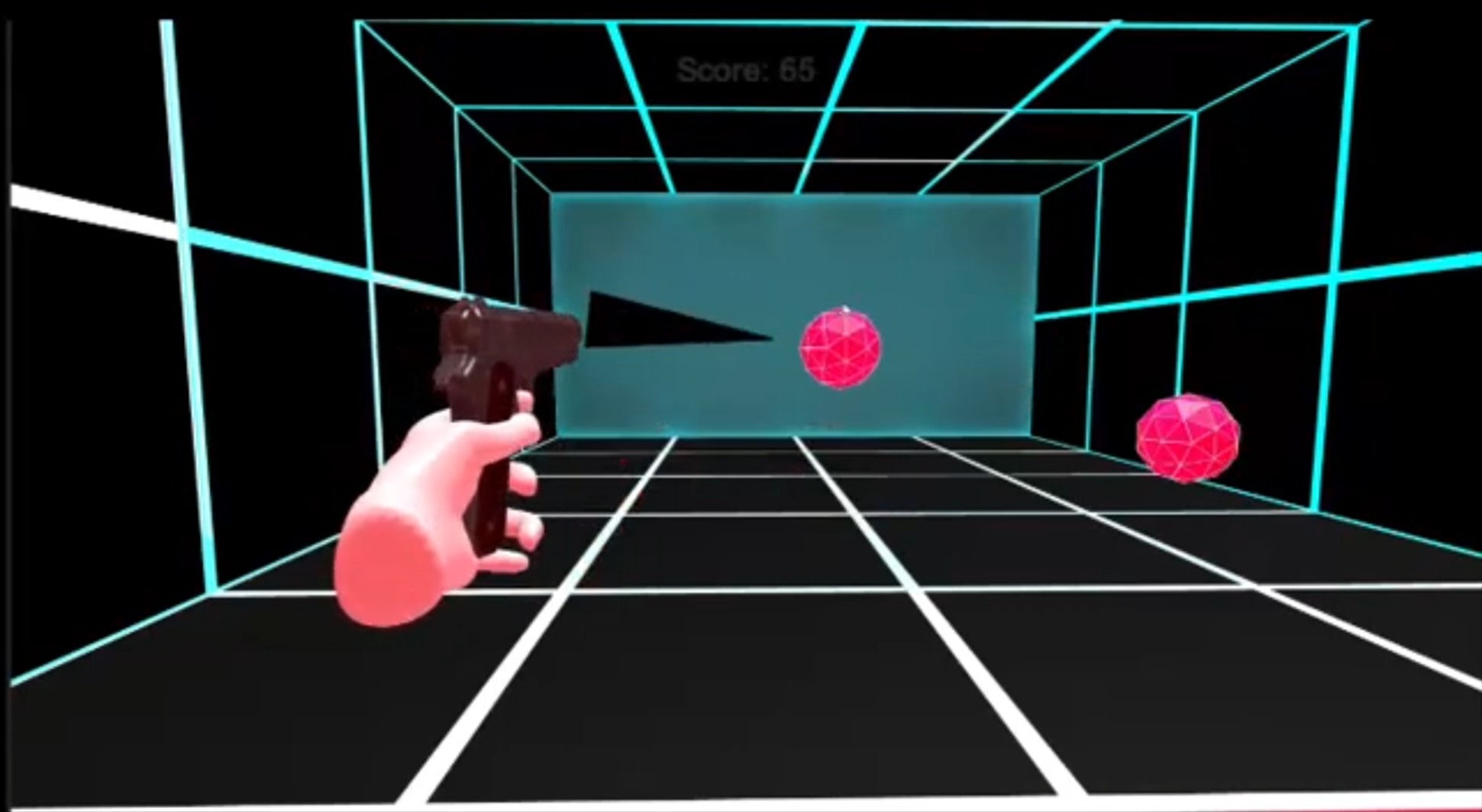
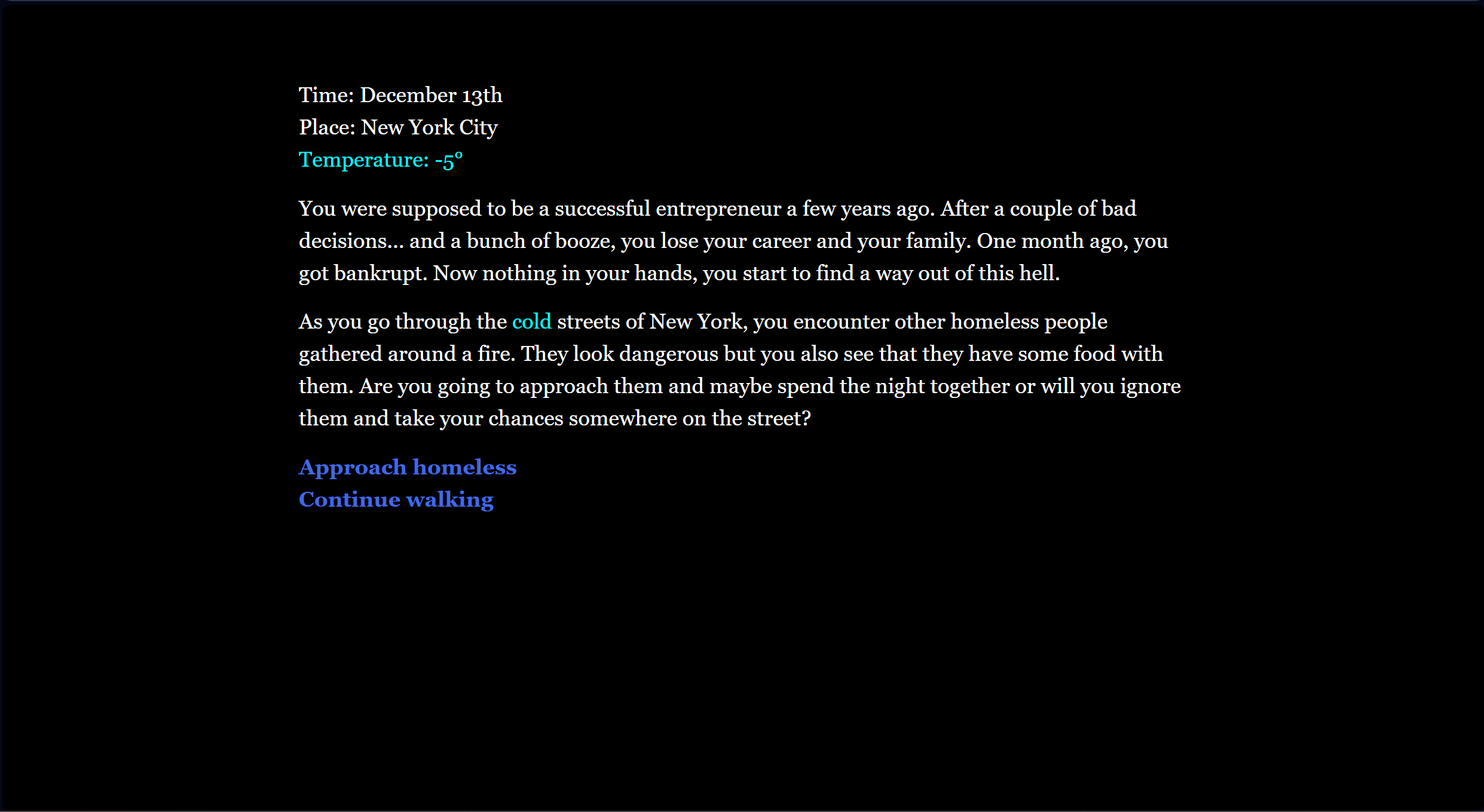
Level Prototypes/Whitebox
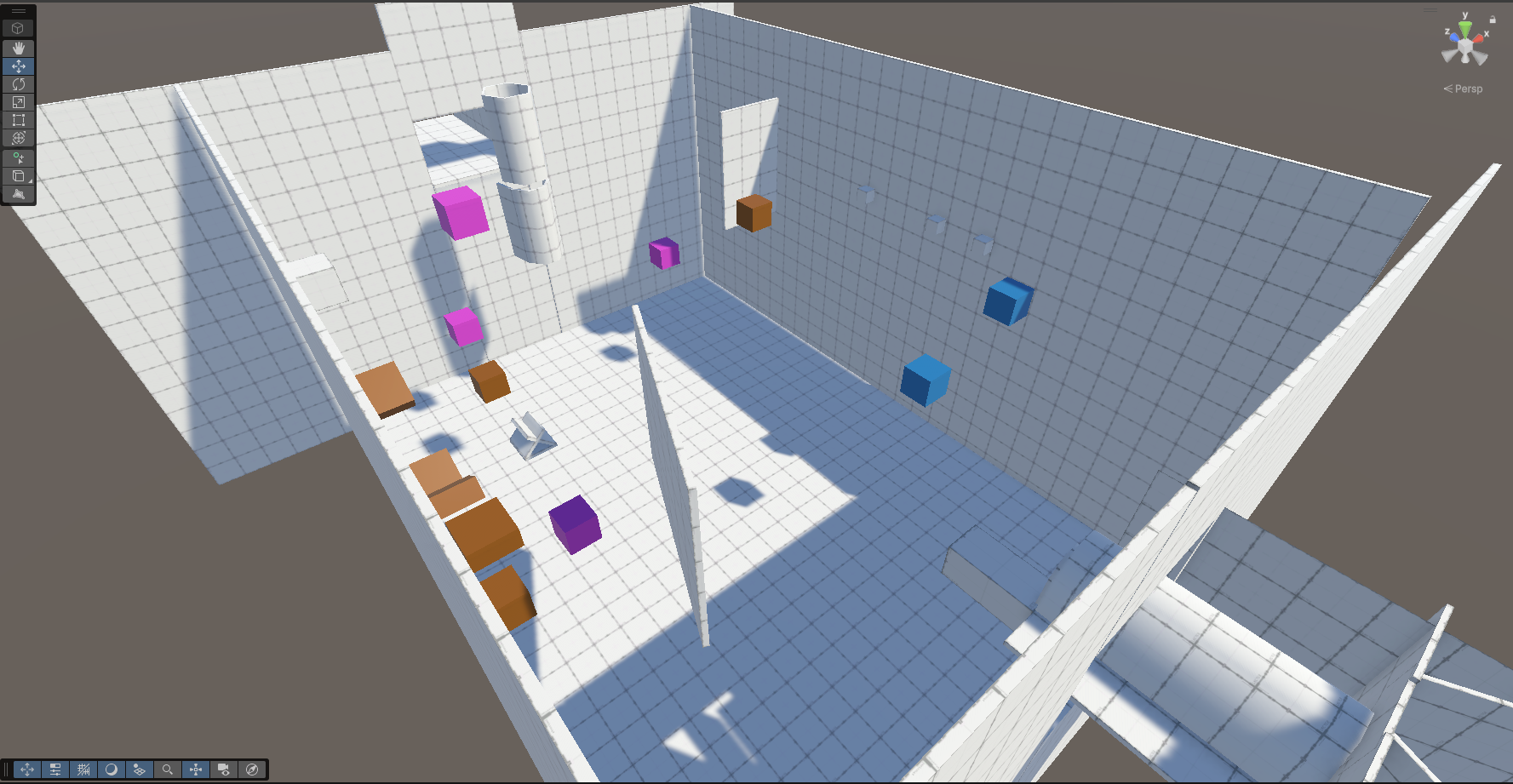
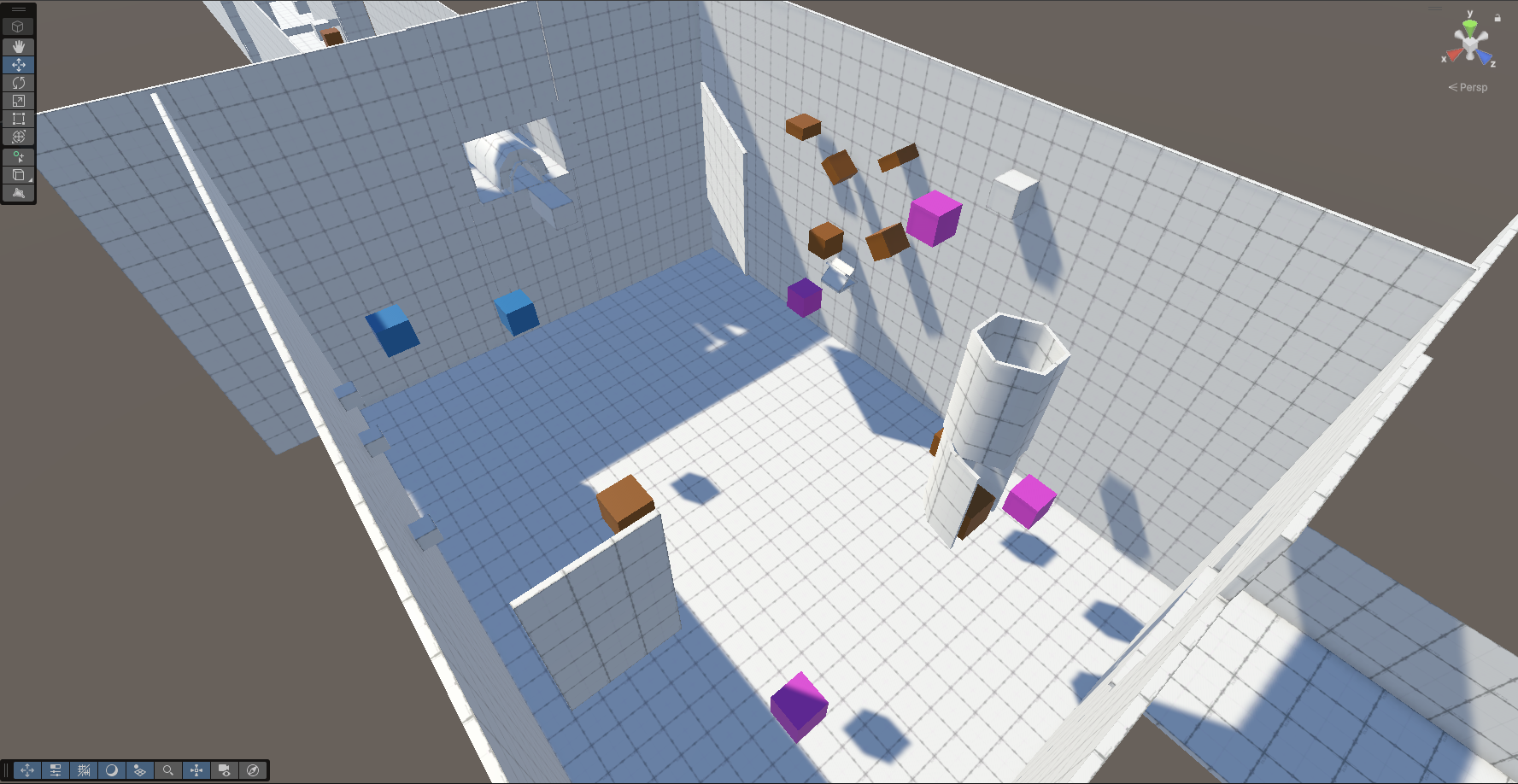
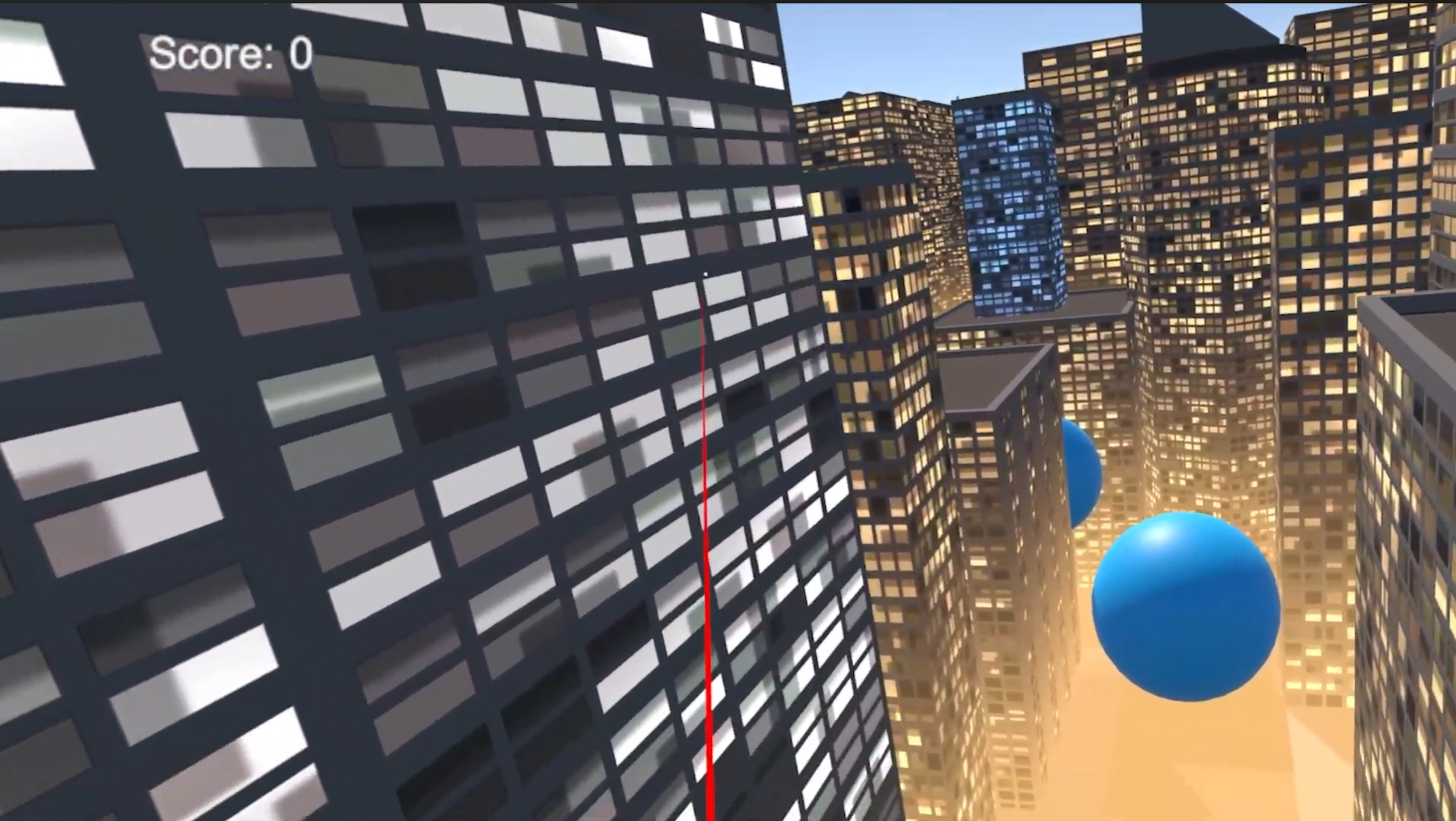
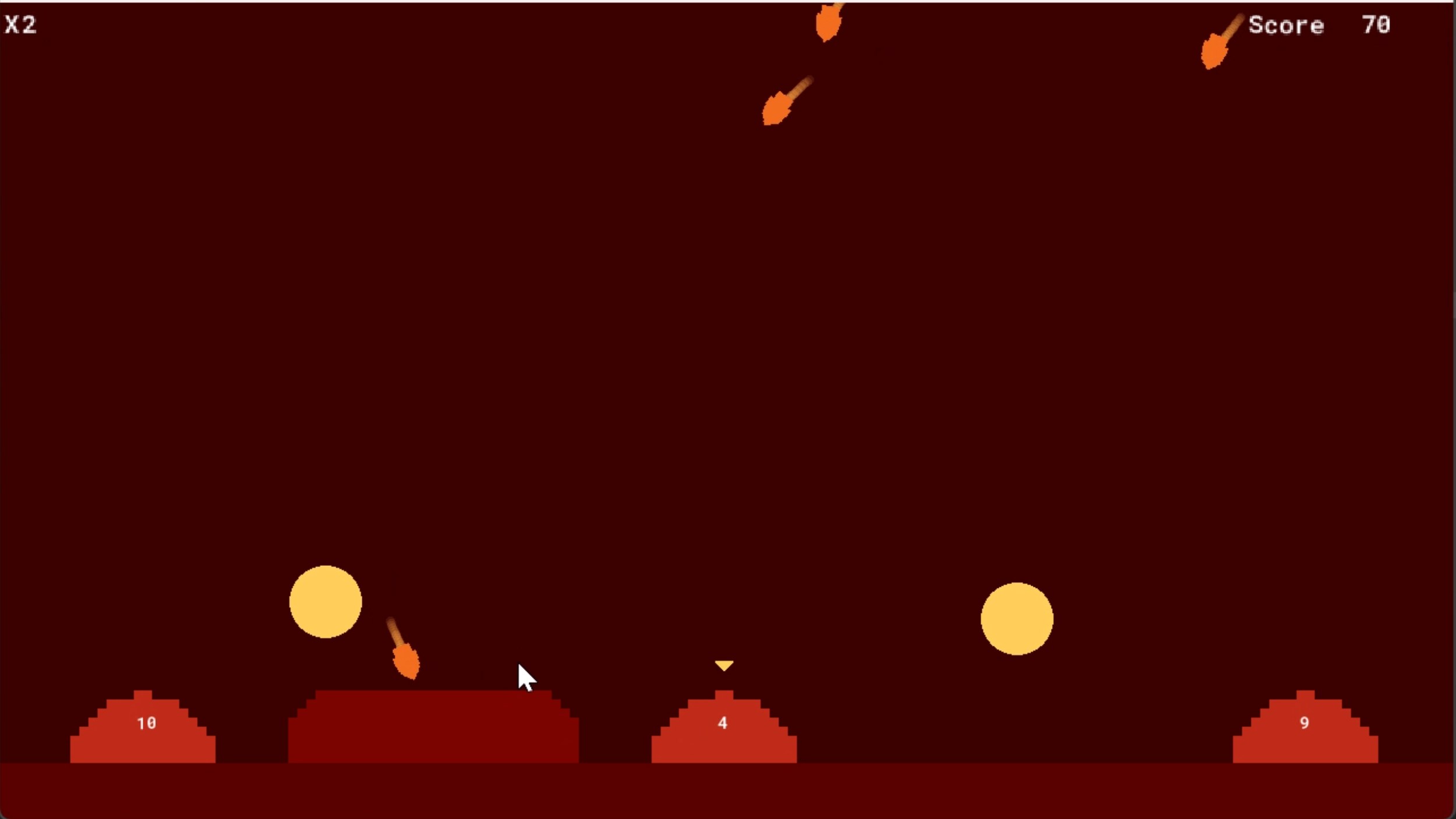
These whitebox and prototype levels were created to explore playable space, route readability, encounter pacing, verticality, and player guidance. They are not final environment art pieces; the focus is on spatial logic, player flow, and how different mechanics can be supported through level structure.
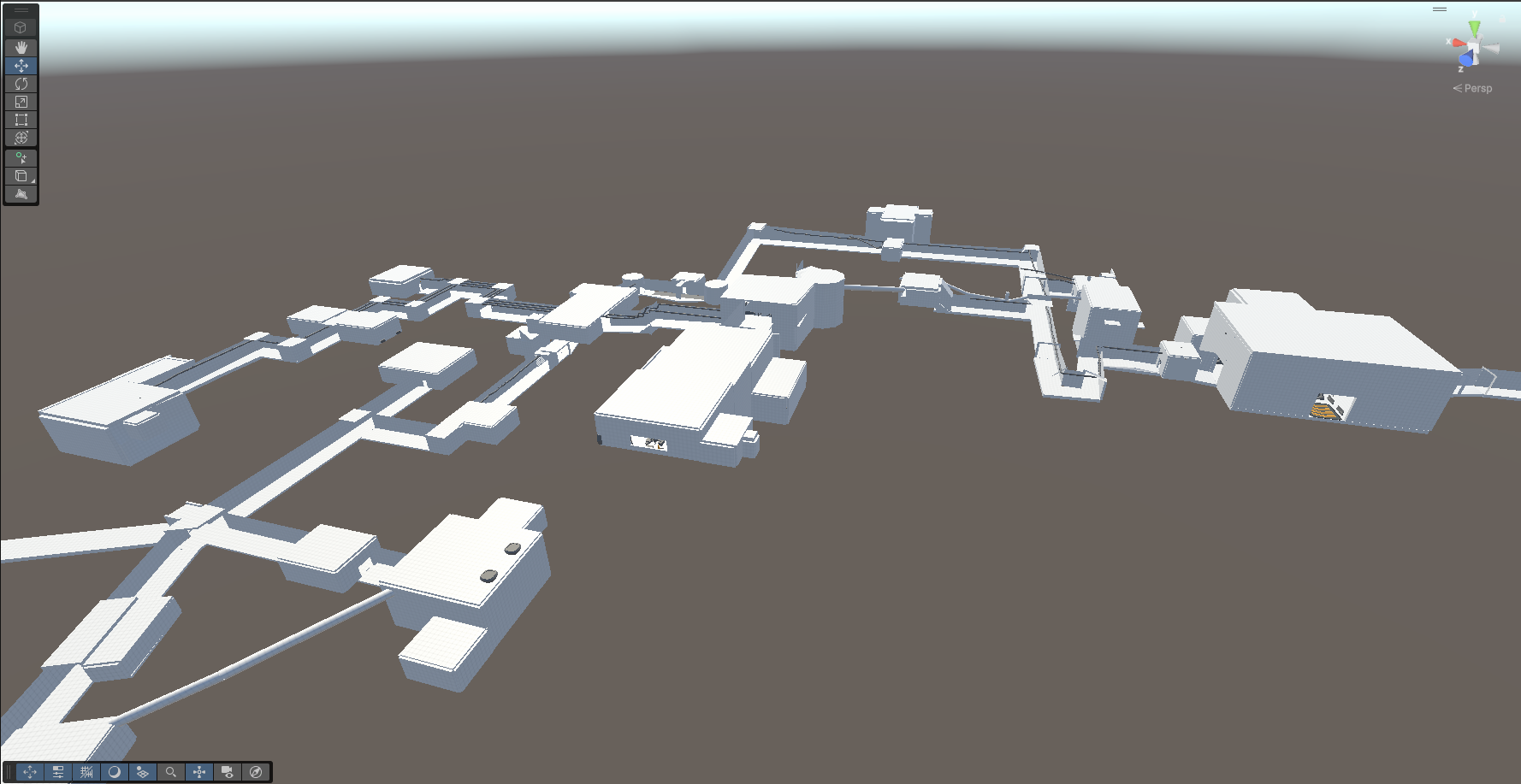
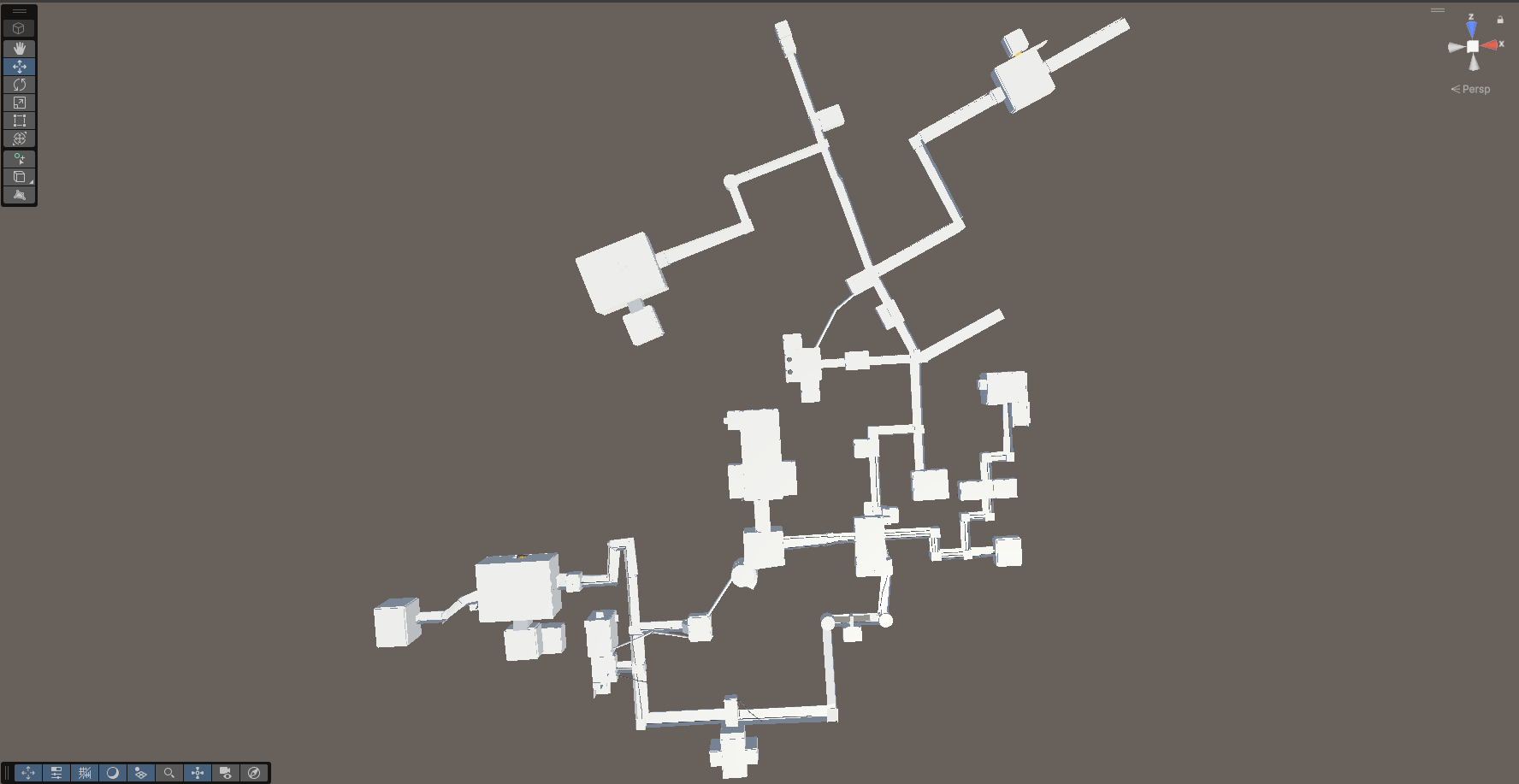
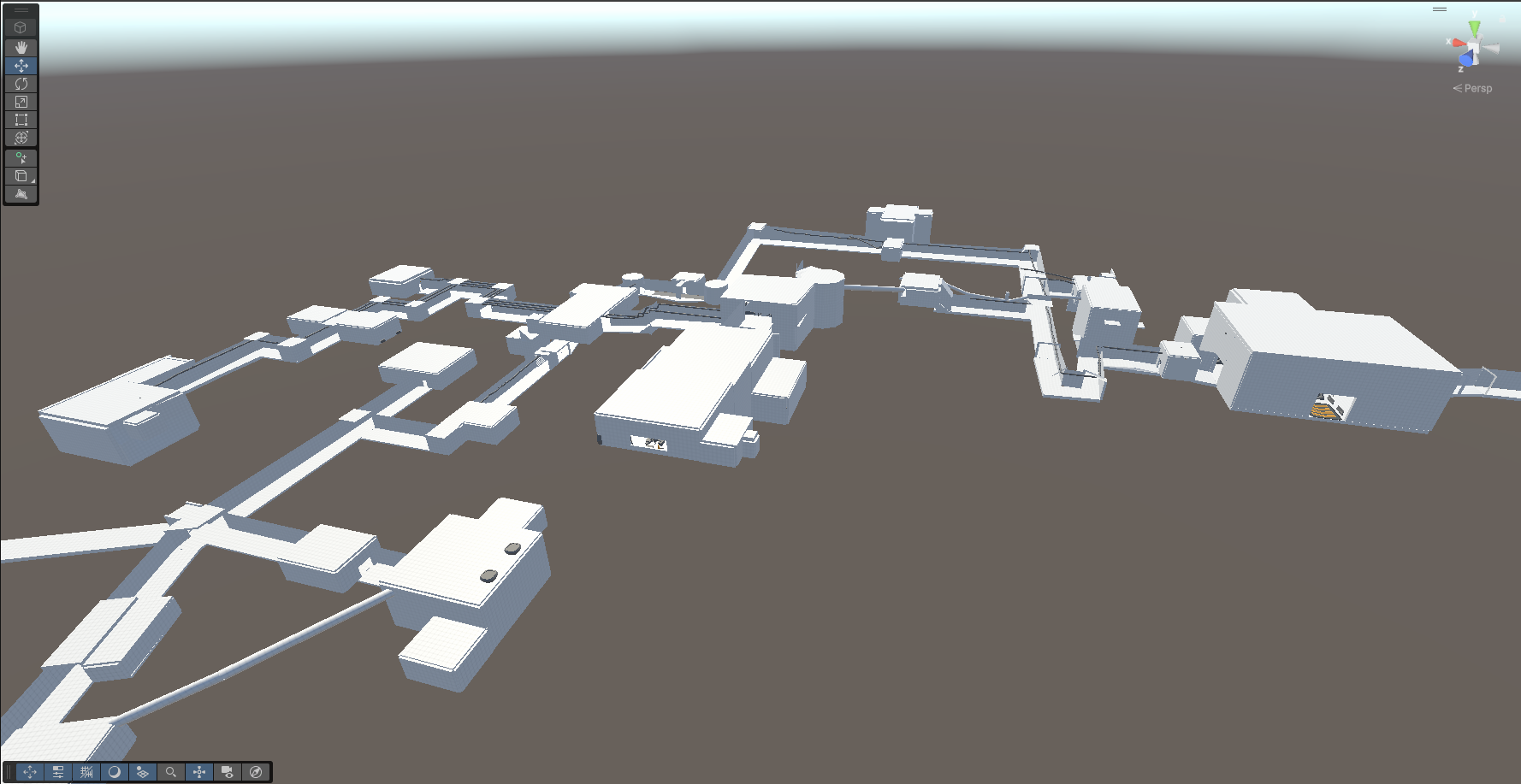
Project Lacuna RPG Level Whitebox
A larger whitebox level designed for Project Lacuna, focused on testing player flow inside a large-scale sci-fi facility. The goal was to create a space that feels functional and believable while still supporting readable navigation, route choice, and varied gameplay pacing.
The blockout explores how the player moves through connected facility areas, how verticality and room transitions can support exploration, and how the layout can guide the player without relying too heavily on explicit markers. The focus was on building a level structure that could later support combat, environmental storytelling, backtracking, and systemic interactions.
Design focus: route readability, facility logic, verticality, pacing, exploration flow, and player guidance.
Deathmatch Style Level Whitebox
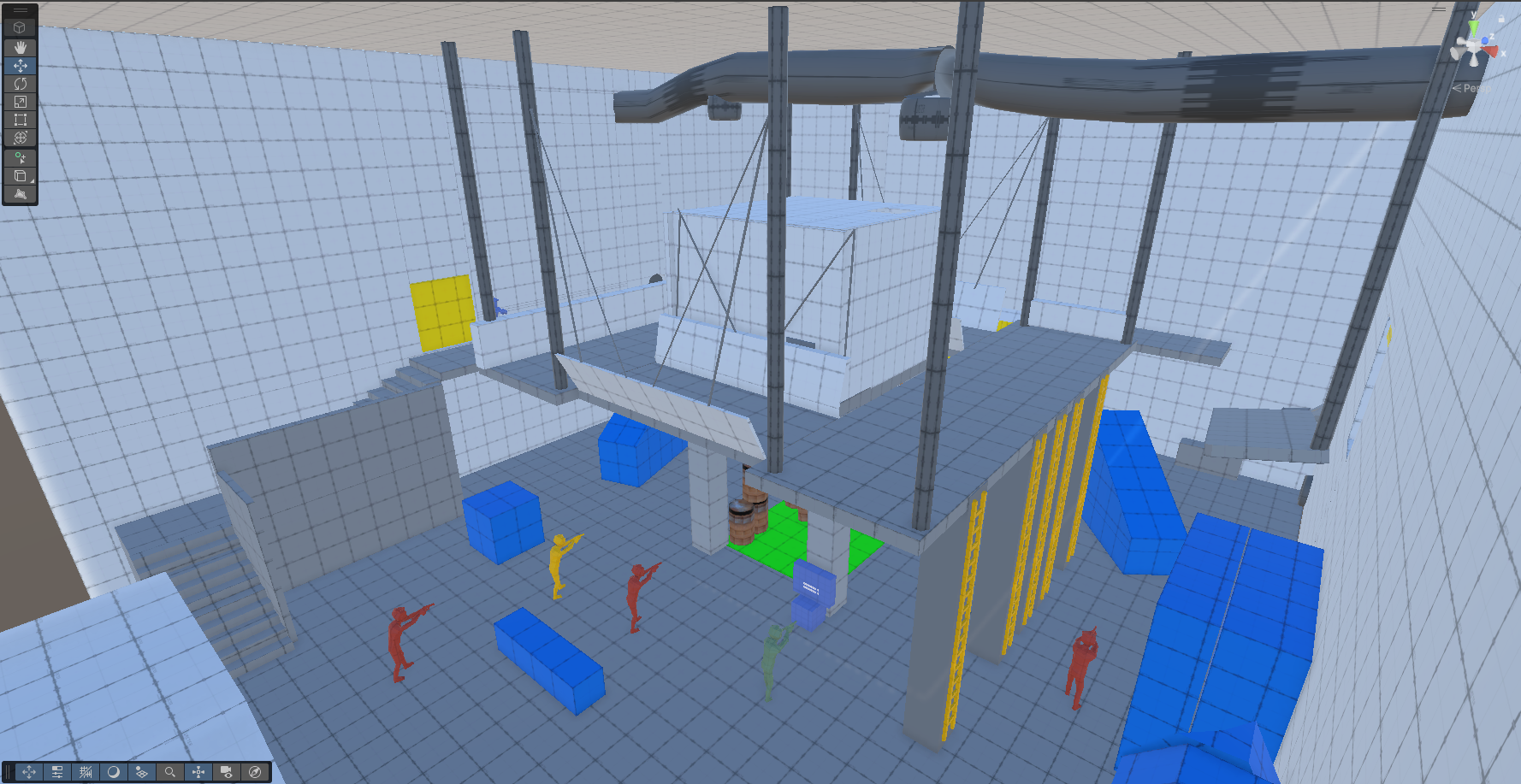
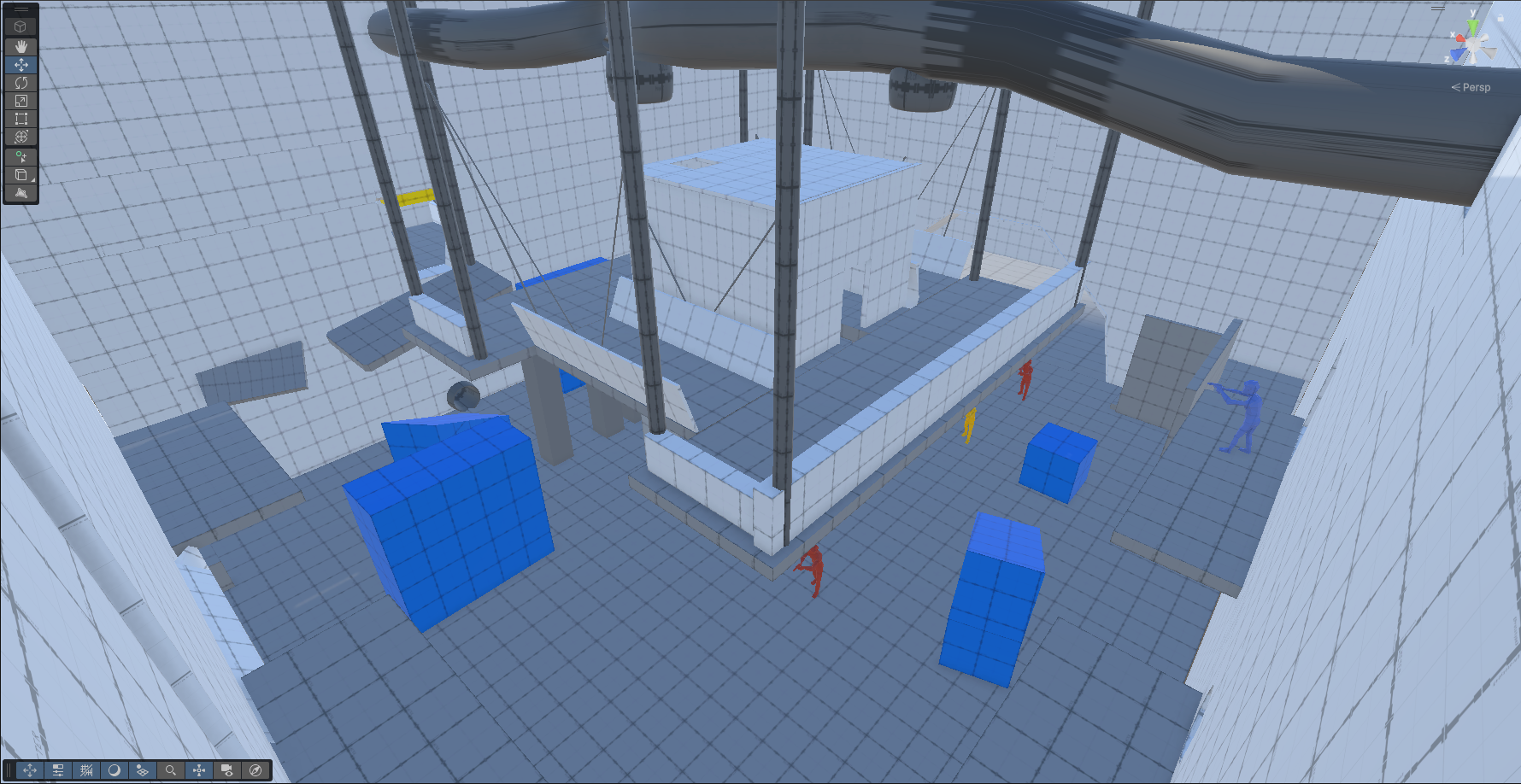
A compact prototype level created to test combat movement and moment-to-moment gameplay in a contained arena-like space. Although it was built primarily for mechanics testing, the layout was designed to be readable and purposeful rather than just a flat test room.
The level focuses on fast navigation, clear sightlines, cover opportunities, elevation changes, and multiple approach angles. Its purpose was to support quick iteration on combat feel, player movement, line of sight, and encounter pacing while keeping the space easy to understand during play.
Design focus: combat flow, sightlines, cover placement, movement readability, encounter pacing, and arena structure.
Platforming Level Whitebox
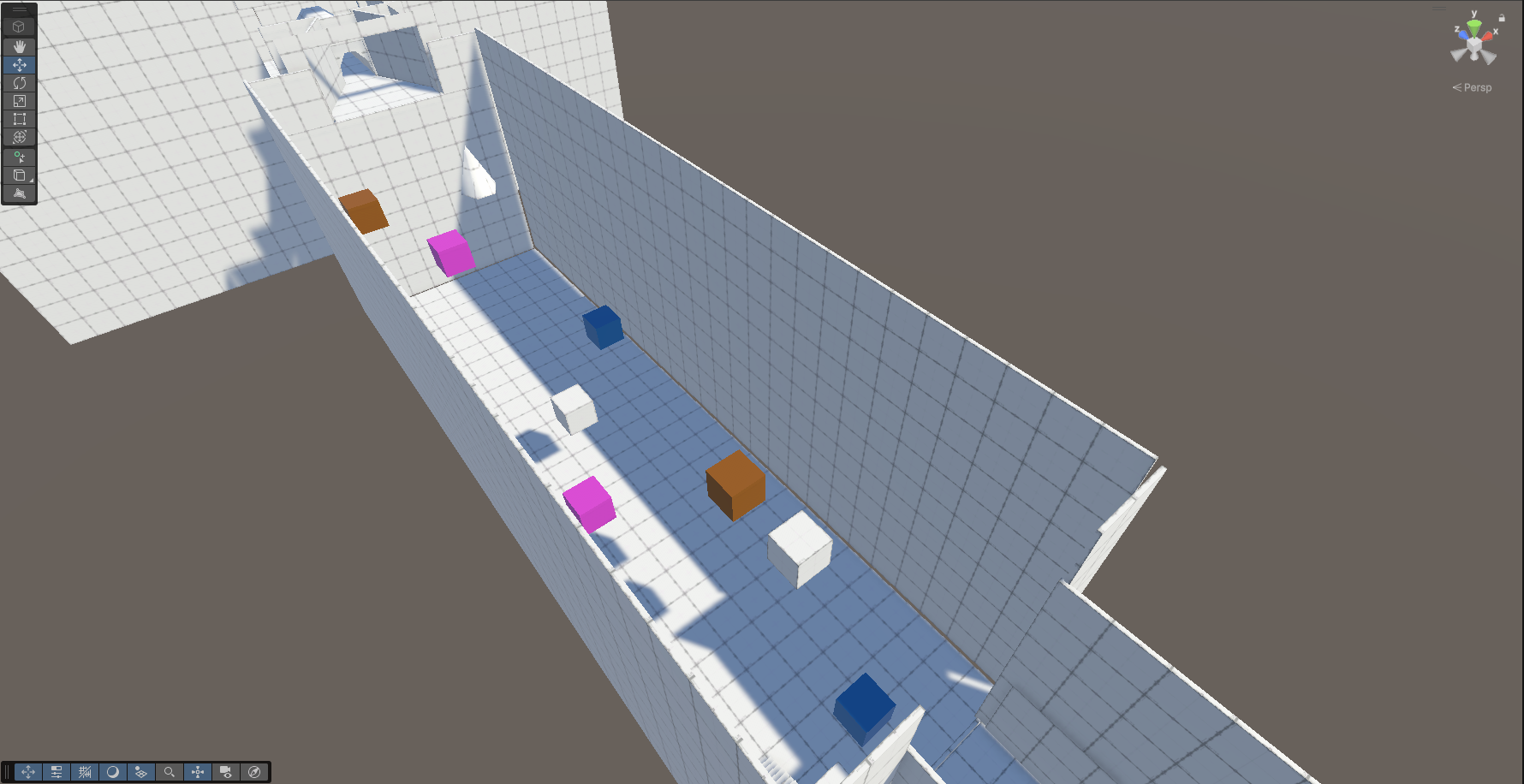
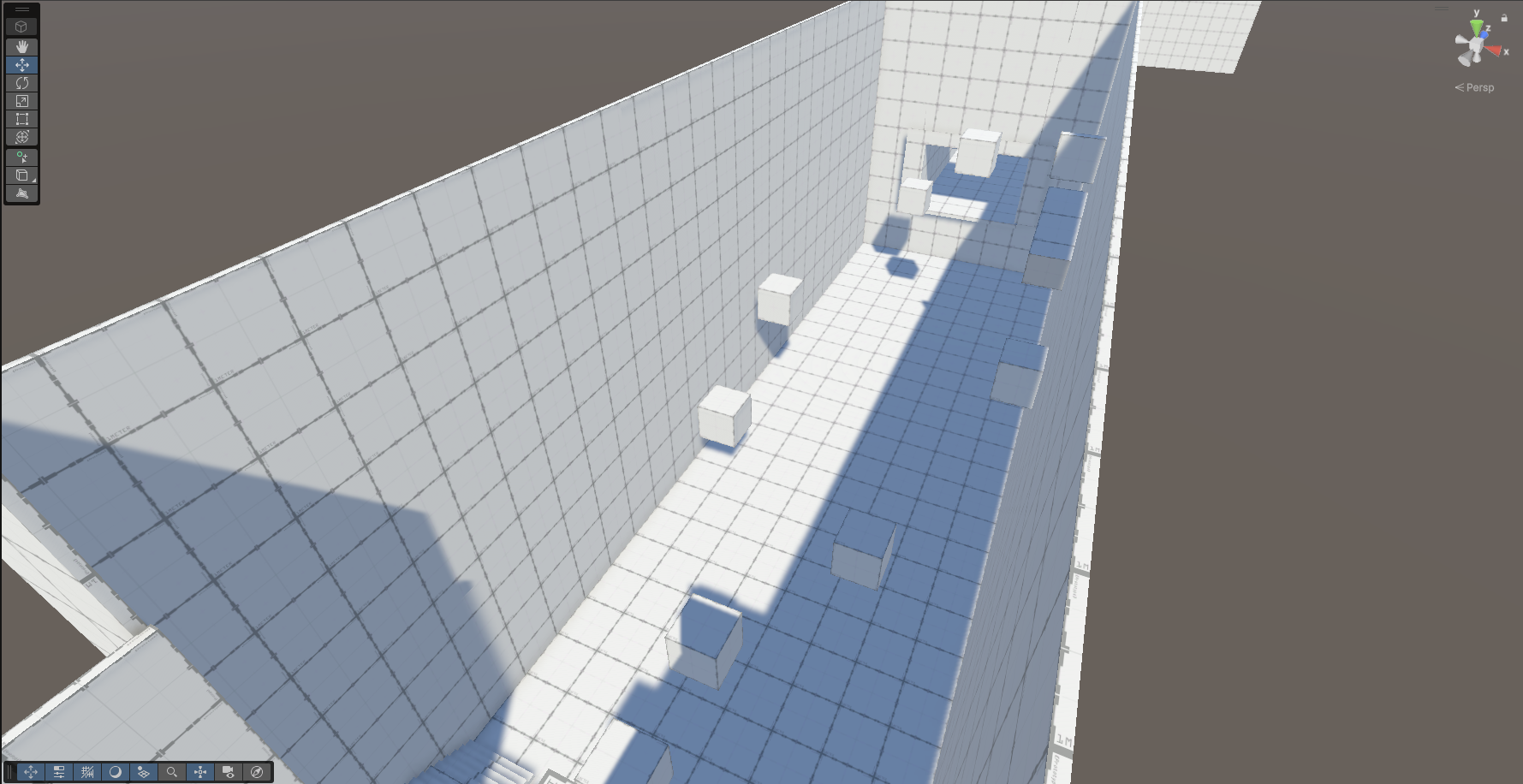
A prototype level built to test traversal and platforming mechanics in a structured playable space. The goal was to create a simple but meaningful layout where movement mechanics could be evaluated through jumps, height changes, route timing, and spatial readability.
Rather than functioning as a purely abstract test area, the level was shaped to create a sense of progression and player rhythm. It explores how platform placement, spacing, verticality, and visual direction can help players understand where to go and how to use movement mechanics confidently.
Design focus: traversal flow, jump spacing, verticality, player rhythm, route clarity, and movement feedback.